May 17, 2025
Mold can creep into our homes silently, turning small problems into major headaches if left unchecked. In Baton Rouge and its surrounding suburbs, the humid climate creates the perfect breeding ground for mold growth, making it a common concern for many homeowners. From musty smells to potential health risks, mold isn’t something we can afford to ignore.
Some suburbs in the Baton Rouge area face higher mold risks due to factors like older homes, poor ventilation, or frequent flooding. Knowing which areas are most affected can help us stay proactive and protect our homes and families. Let’s dive into the suburbs that need mold removal the most and explore why these areas are particularly vulnerable.
Overview of Mold Issues in Baton Rouge Suburbs
Mold grows rapidly in Baton Rouge suburbs because of high humidity, poor ventilation, and frequent rainfall. Suburbs with older homes, such as those built before the mid-1990s, are more prone to mold due to outdated building materials and insufficient moisture barriers. Leaky roofs, aging plumbing, and poorly sealed windows further exacerbate the problem.
Flood-prone areas also experience higher mold growth. Suburbs near water bodies or low-lying zones face prolonged damp conditions after heavy rains, creating favorable environments for mold. Homes in these regions often require professional mold removal services.
Health risks associated with mold are significant. Prolonged exposure to mold spores can cause breathing difficulties, allergies, and other respiratory issues, especially for children, the elderly, and those with weakened immune systems. It’s essential for residents in these affected suburbs to address mold problems promptly to minimize risks.
Factors Contributing to Mold Problems
Mold issues in Baton Rouge suburbs stem from several factors that create ideal conditions for its growth. Understanding these factors helps homeowners take preventative measures.
Climate and Humidity
High humidity levels in Baton Rouge’s subtropical climate encourage mold growth. Average annual humidity exceeds 75%, with summer months seeing peaks above 90%. Warm temperatures combined with this moisture create a perfect breeding ground for mold, especially in poorly ventilated or shaded areas.
Poor Ventilation in Homes
Limited airflow in homes allows moisture to accumulate indoors. Older homes with single-pane windows or lacking exhaust systems are particularly affected. Bathrooms, kitchens, and basements without proper ventilation experience higher condensation levels, making them more susceptible to mold development.
Flooding and Water Damage
Flood-prone areas face persistent mold problems due to prolonged dampness. Suburbs near rivers, lakes, or at lower elevations are especially impacted after heavy rainfall. Leaking roofs, burst pipes, or improperly sealed foundations exacerbate water damage, creating trapped moisture that promotes mold growth.
Baton Rouge Suburbs Most Affected by Mold
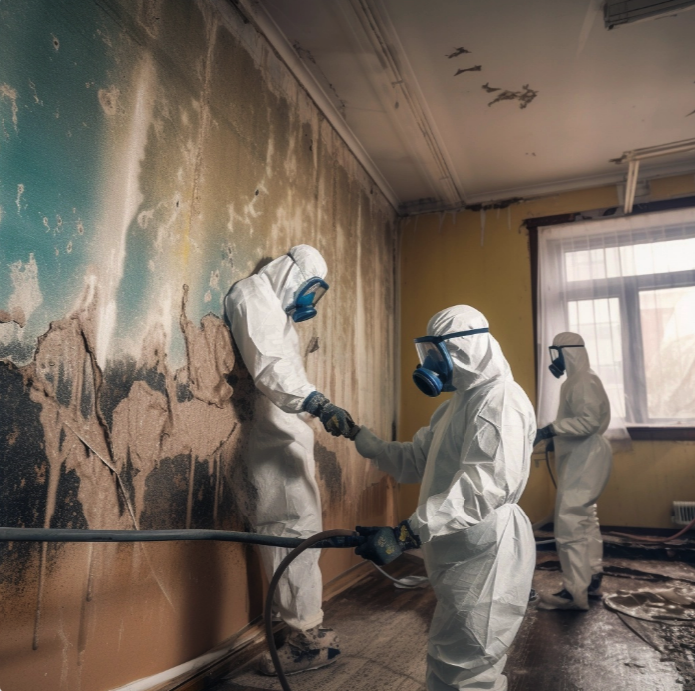
Several Baton Rouge suburbs face persistent mold issues due to a mix of environmental factors and structural vulnerabilities. Identifying these areas helps prioritize mold prevention and remediation efforts.
Older Inner-Ring Neighborhoods: Mid City, Broadmoor, and the Garden District
The housing stock closest to the city center is also the oldest. Homes built before 1995 face significant risks because of outdated construction materials and minimal moisture barriers. Poor ventilation, especially in attics and crawl spaces, increases humidity levels and allows mold to thrive. Roof leaks and deteriorating cast-iron or galvanized plumbing aggravate the situation further, which is why timely inspections matter most in these neighborhoods.
Low-Lying and Waterway-Adjacent Areas: Denham Springs, Central, and Ward Creek Corridors
These areas report frequent mold cases, particularly in homes near waterways. Heavy rains and inadequate drainage systems lead to water pooling, creating perfect mold breeding conditions. Bathrooms and kitchens in homes without proper exhaust systems are mold hotspots, and older buildings with cracked slabs or poorly sealed windows experience higher infestations because moisture intrusion never fully stops.
Wooded and Heavily Shaded Subdivisions: Shenandoah, Prairieville, and Parts of Zachary
Subdivisions surrounded by mature tree cover struggle with limited sunlight exposure, which keeps siding, roofs, and north-facing walls damp long after a rain. Inadequate insulation and single-pane windows allow warm, moist air to condense indoors. Crawl spaces remain vulnerable due to poor water diversion and airflow, often harboring hidden colonies. Homes here also face elevated risk after tropical storms, which contribute to widespread water damage.
Importance of Addressing Mold Removal Promptly
Mold grows rapidly in Baton Rouge suburbs due to high humidity and frequent flooding. Delaying removal increases risks to health, property, and overall living conditions.
Health Risks Associated With Mold
Mold exposure affects respiratory health, especially in children, the elderly, and immunocompromised individuals. It causes issues like chronic allergies, asthma flare-ups, and sinus congestion. Prolonged exposure to toxic molds like Stachybotrys chartarum may lead to serious illnesses, including fungal infections and severe breathing difficulties. High humidity in low-lying areas near water bodies exacerbates these risks, as mold frequently infiltrates bathrooms, crawl spaces, and poorly ventilated rooms.
Impact on Property Value and Living Conditions
Mold damages structural integrity by weakening drywall, wood, and insulation, leading to costly repairs. Homes with visible mold or persistent odors have diminished appeal, reducing market value during sales or rentals. In older neighborhoods, where homes lack proper ventilation or moisture barriers, mold issues often discourage potential buyers. Living in mold-infested conditions also creates daily discomfort through musty smells and excessive moisture. Neglected areas in flood-prone zones face recurring problems, complicating maintenance and increasing long-term expense.
Choosing Reliable Mold Removal Services
Selecting a trustworthy mold removal service is essential to effectively address and prevent mold issues in Baton Rouge suburbs affected by high humidity and persistent dampness. Understanding key professional qualities and adopting proactive prevention strategies ensures lasting results.
Qualities to Look for in Mold Remediation Professionals
- Expertise. Professionals should hold certifications from recognized organizations like the Institute of Inspection, Cleaning and Restoration Certification (IICRC). Certification confirms they follow industry standards.
- Inspections. Reliable services provide comprehensive assessments using moisture meters and thermal imaging to detect hidden mold.
- Experience. Contractors with substantial experience in humid climates understand local mold challenges and adapt their solutions accordingly.
- Transparency. Trustworthy companies offer clear estimates, detailed remediation plans, and progress updates without hidden fees.
- Guarantees. Post-removal guarantees and follow-up clearance inspections demonstrate confidence in the work.
Tips for Preventing Future Mold Issues
- Ventilation. Improving airflow in bathrooms, kitchens, and crawl spaces reduces moisture accumulation. Install exhaust fans that vent outside, not into an attic.
- Moisture control. Fix leaks in roofs, plumbing, and seals promptly. Use dehumidifiers in humid months to keep indoor humidity below 60%.
- Regular maintenance. Clean gutters, inspect foundations, and check for water pooling around the structure.
- Material upgrades. Replace outdated building materials and single-pane windows with moisture-resistant alternatives.
- Drainage solutions. In flood-prone suburbs, improve yard drainage and add sump pumps to keep groundwater away from the structure during heavy rains.
A Baton Rouge Timeline: What Actually Happens After Water Gets In
One thing the risk maps do not capture is how quickly the window closes. It is worth knowing the sequence, because nearly every decision that determines the cost of a mold job is made in the first three days.
- Hours 0–24. Material is wet but not yet colonized. Extraction and drying now usually means no remediation at all — just a water job.
- Hours 24–48. Spores that are already present in every building begin to germinate on saturated cellulose: drywall paper, wood, insulation facing, carpet pad. This is the point where a water loss becomes a mold loss.
- Days 3–7. Visible growth appears and the musty smell reaches the living space. Porous material now has to come out rather than be dried in place.
- Week 2 onward. Colonies spread along studs and into wall cavities, and the HVAC system starts distributing spores to rooms that were never affected. Scope and cost climb steeply from here.
In a climate where indoor humidity alone can hold material above the threshold, that timeline does not pause overnight or over a holiday weekend. If a property in one of these suburbs has taken on water, the useful question is not whether to call someone — it is whether the call happens inside the first 48 hours.
The pattern behind this list is documented well outside the remediation trade. LSU AgCenter guidance on water-damaged homes was written for exactly this housing stock — slab-on-grade construction, unconditioned crawl spaces, and homes that have taken water more than once. The state health department’s mold questions and answers cover the health side and the do-it-yourself threshold. Where a flood rather than a leak is the cause, the federal flood-cleanup resources on indoor air explain why floodwater changes which materials can be dried and which have to come out.
Conclusion
Tackling mold issues in Baton Rouge suburbs is essential for safeguarding our homes, health, and overall quality of life. By understanding the unique challenges posed by older homes, frequent flooding, and high humidity, we can take proactive steps to address and prevent mold growth effectively.
Investing in professional mold removal services and implementing preventive measures like improving ventilation and controlling moisture ensures a healthier and more comfortable living environment. Let’s prioritize mold remediation to protect our families and preserve the value of our homes in these vulnerable areas.
Frequently Asked Questions
What causes mold growth in Baton Rouge and its suburbs?
The humid, subtropical climate of Baton Rouge, with annual humidity levels averaging over 75%, creates ideal conditions for mold growth. Additional factors include poorly ventilated homes, older construction materials, frequent flooding, leaky roofs, and water damage from plumbing or storms, which leave prolonged damp conditions in many areas.
Which areas in a home are most susceptible to mold growth?
Bathrooms, crawl spaces, kitchens, and poorly ventilated or shaded parts of a home are most vulnerable due to high moisture accumulation. Homes with single-pane windows, inadequate ventilation systems, or flood damage are especially prone to mold issues.
What are the health risks associated with mold exposure?
Exposure to mold can cause respiratory issues, allergies, asthma flare-ups, and severe reactions in those with weakened immune systems. Prolonged contact is particularly harmful to children, seniors, and individuals with preexisting respiratory problems.
Why are older homes more vulnerable to mold?
Older homes often use outdated building materials with poor moisture resistance and lack modern ventilation systems. Homes built before the mid-1990s are especially at risk because they typically have inadequate moisture barriers and outdated insulation.
How does flooding impact mold growth in Baton Rouge suburbs?
Frequent flooding in low-lying areas or near water bodies results in prolonged damp conditions, allowing mold to thrive. Improper drainage and delayed water damage repairs exacerbate the issue, leading to chronic mold problems in affected homes.
Can mold decrease the value of a property?
Yes. Mold growth can weaken a home’s structural integrity, damage materials, and make properties less appealing to buyers, particularly in older suburbs struggling with consistent mold problems.
How can you prevent mold growth in Baton Rouge homes?
To prevent mold, improve home ventilation, control indoor humidity levels, regularly maintain plumbing and roofs, use mold-resistant materials in upgrades, and ensure effective drainage systems in flood-prone areas.
Why is professional mold remediation important?
Professional remediation ensures thorough inspections, expert removal, and preventive measures to stop future growth. Experts also have the required tools and knowledge to handle humid environments like Baton Rouge effectively.
What should you look for when choosing a mold removal service?
Choose a service with expertise in humid climates, transparent pricing, guarantees of service quality, comprehensive inspections, and a strong reputation for reliable remediation.
How does mold affect quality of life?
Living in mold-infested homes can lead to unpleasant musty odors, excessive indoor moisture, respiratory discomfort, and chronic health conditions, significantly reducing the comfort and health of occupants.